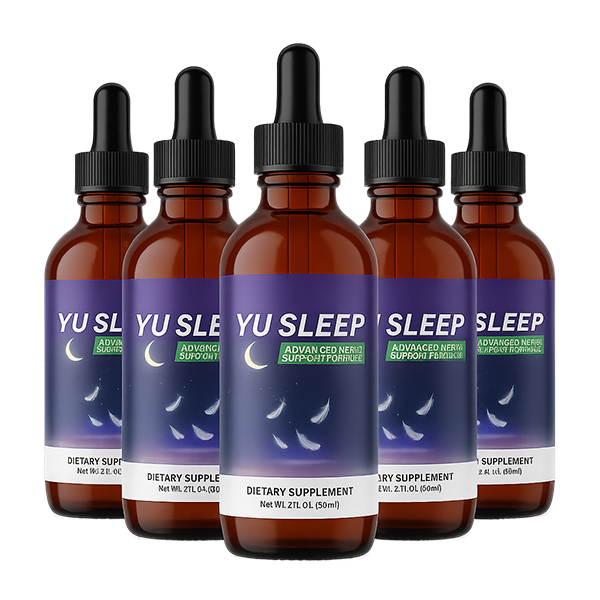
Regular Price: $99/per bottle
Today Only: $39/per bottle
Order Yu Sleep With 78% Discount NowBacked by a 60-Day, 100% Money-Back Guarantee
Sleep disorders affect an estimated 50 to 70 million Americans, yet many cases go undiagnosed for years. Understanding the most common sleep disorders, their symptoms, and when to seek professional help is an important step toward better rest and better health.
Insomnia — difficulty falling asleep, staying asleep, or waking too early — is the most common sleep disorder. It can be acute (lasting a few days to weeks, often triggered by stress or life changes) or chronic (occurring at least three nights per week for three months or more). Chronic insomnia affects approximately 10 percent of adults and is often linked to anxiety, depression, poor sleep habits, medical conditions, or medications.
Sleep apnea is characterized by repeated pauses in breathing during sleep, caused by the collapse of soft tissue in the throat. Symptoms include loud snoring, gasping or choking during sleep, excessive daytime sleepiness, morning headaches, and difficulty concentrating. Sleep apnea significantly increases cardiovascular risk and should be evaluated by a sleep specialist.
RLS involves an uncomfortable sensation in the legs (often described as crawling, tingling, or aching) accompanied by an irresistible urge to move them. Symptoms typically worsen in the evening and during periods of inactivity, making it difficult to fall asleep. RLS may be linked to iron deficiency, kidney disease, or neurological conditions.
Narcolepsy is a neurological disorder characterized by excessive daytime sleepiness, sudden loss of muscle tone (cataplexy), sleep paralysis, and hallucinations at sleep onset. It is caused by a deficiency of hypocretin (orexin) in the brain and requires specialist diagnosis and management.
If you experience persistent sleep difficulties that do not improve with good sleep hygiene, excessive daytime sleepiness that affects your daily functioning, loud snoring with witnessed breathing pauses, unusual movements or behaviors during sleep, or symptoms that have lasted more than four weeks, consult a healthcare provider or sleep specialist.
For lifestyle-related insomnia and mild to moderate sleep difficulties, many people find that a combination of improved sleep habits and natural sleep support provides effective relief. Yu Sleep is designed for adults whose sleep problems are driven by stress, circadian disruption, or neurochemical imbalances rather than structural conditions like sleep apnea. Explore how it works or try it risk-free today.
Try Yu Sleep Risk-Free — 78% Off + 60-Day Guarantee
Backed by a 60-Day, 100% Money-Back Guarantee